

- Details
- Written by: Silvia
- Category: Fasting, Ketosis & Metabolism
- Read Time: 16 mins
- Hits: 30
How the Body Changes Fuel During Fasting
One of the most important transformations occurring during fasting is the progressive production of ketone bodies.
For many years, ketones were discussed primarily in connection with pathology, particularly diabetic ketoacidosis. Research on prolonged fasting gradually revealed a very different aspect of their biology: ketone production is also a normal physiological adaptation to reduced glucose availability and, during fasting, ketones become an increasingly important fuel for the brain and other tissues.
Ketosis is therefore one of the metabolic adaptations that make prolonged fasting possible. It allows stored fat to become usable in ways that extend far beyond the direct oxidation of fatty acids and changes the metabolic environment of the entire organism.
What Are Ketone Bodies?
Ketone bodies are small, water-soluble molecules produced mainly by the liver from fatty acids.
The three principal ketone bodies are:
- acetoacetate
- beta-hydroxybutyrate (BHB)
- acetone
Beta-hydroxybutyrate is technically not a ketone from a strictly chemical point of view, although physiologically it is conventionally included in the group.
Their importance becomes clear when we consider a problem the fasting organism has to solve. Human adipose tissue can contain an enormous reserve of energy, yet fatty acids cannot adequately supply every tissue directly, particularly the brain.
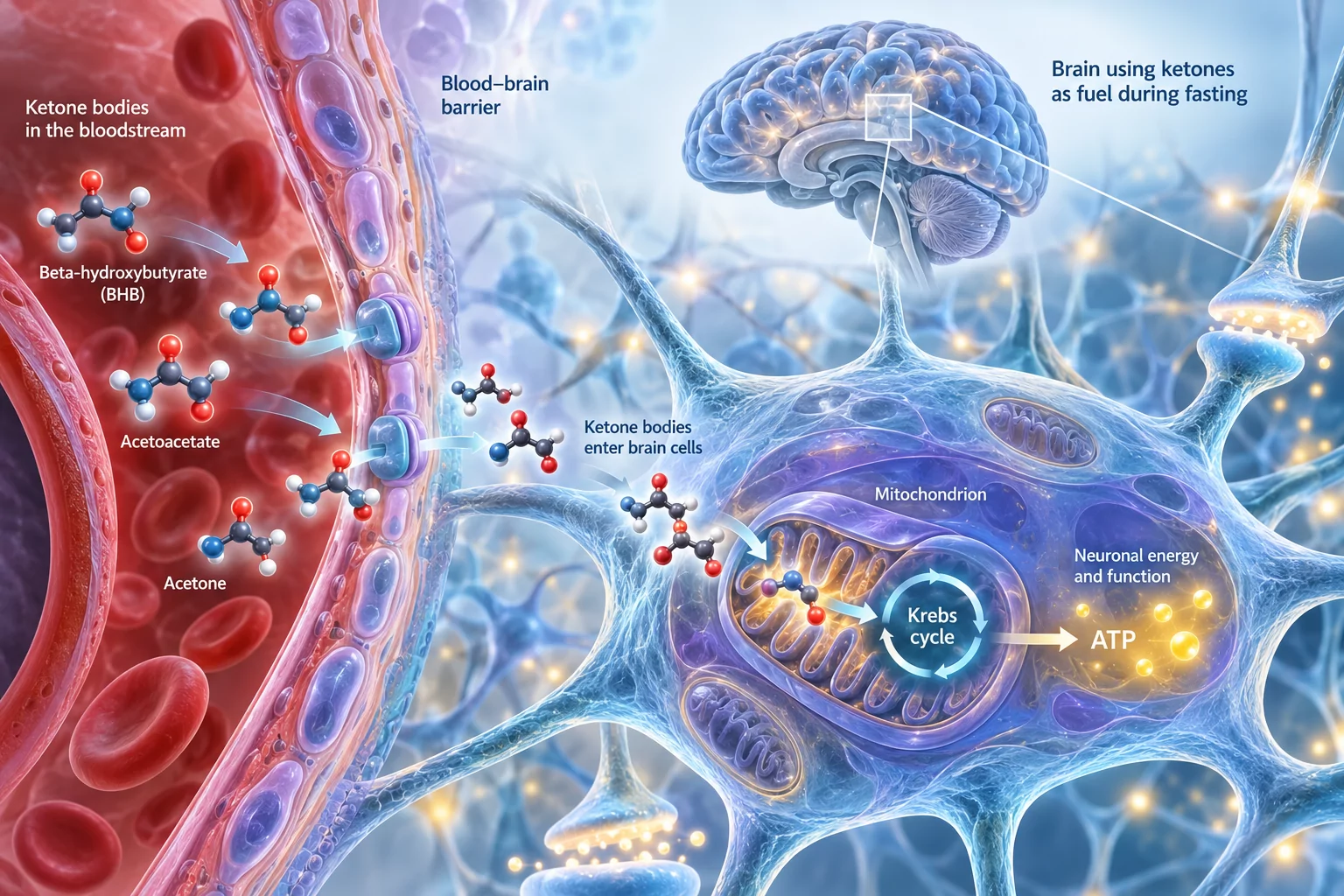
The liver therefore converts part of the energy derived from fatty acids into ketone bodies, which circulate easily in the blood and can be used by distant tissues.
In practical terms, ketones provide a transportable form of fat-derived energy.
From Stored Fat to Ketones
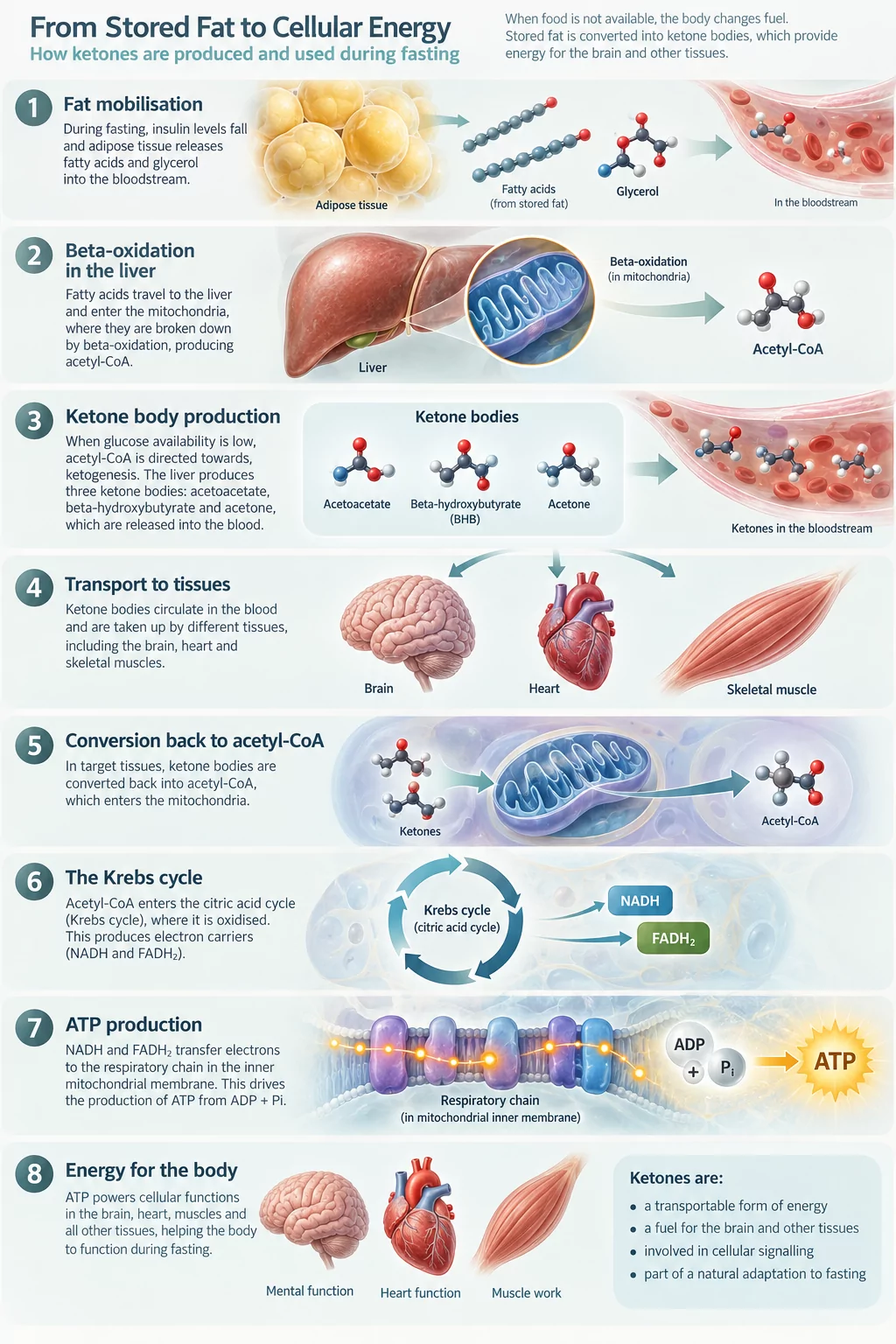 As fasting progresses and insulin levels fall, adipose tissue increasingly releases fatty acids and glycerol into the circulation.
Many tissues can use those fatty acids directly. A substantial portion also reaches the liver, where fatty acids enter the mitochondria and undergo beta-oxidation, generating large quantities of acetyl-CoA.
During fasting, liver metabolism is simultaneously supporting gluconeogenesis. Oxaloacetate is increasingly directed towards the production of glucose, leaving more acetyl-CoA available for ketogenesis.
The liver produces acetoacetate first, from which beta-hydroxybutyrate and acetone are formed.
These molecules are then released into the circulation.
There is a particularly elegant detail in this mechanism: the liver produces ketone bodies for other organs while being unable to use them efficiently itself, because it lacks the enzyme required for their final utilisation.
It effectively manufactures an alternative fuel for the rest of the organism.
Ketosis Develops Progressively
Ketosis has no universal starting hour.
Small quantities of ketones circulate even under ordinary conditions, while their production increases progressively as carbohydrate availability decreases, glycogen reserves fall and fat mobilisation becomes more important.
After several days of complete fasting, ketone concentrations rise markedly. Classic prolonged-fasting studies showed concentrations continuing to increase as fasting progressed, eventually reaching levels of several millimoles per litre while remaining within the physiology of fasting rather than diabetic ketoacidosis.
The speed of this transition varies according to previous diet, physical activity, glycogen reserves, insulin sensitivity and individual metabolism.
Someone who already eats very few carbohydrates may enter substantial ketosis much faster than someone beginning with large glycogen stores and a carbohydrate-rich diet.
For this reason, ketosis is better understood as a metabolic transition than as an event occurring at a particular number of hours.
The Brain Changes Fuel
The brain provides one of the most remarkable examples of human metabolic adaptability.
Under ordinary fed conditions, it depends heavily upon glucose. During prolonged fasting, circulating ketone bodies cross the blood-brain barrier and become progressively more important as cerebral fuel.
As beta-hydroxybutyrate and acetoacetate concentrations increase, the brain adapts its transport systems and metabolic machinery so that these molecules can contribute substantially to ATP production.
The brain continues to require some glucose, yet its dependence on glucose decreases profoundly.
Classic fasting research was crucial in demonstrating how this adaptation allows humans to preserve cerebral function for periods far longer than would otherwise be possible. Without ketone utilisation, maintaining the brain's glucose requirement would demand far greater conversion of body protein into glucose.
Ketosis Helps Preserve Protein
The change in cerebral fuel use therefore affects the whole organism.
During the first phases of fasting, amino acids contribute significantly to gluconeogenesis. As ketones increasingly supply the brain, its glucose requirement falls and the pressure to obtain glucose from body protein can diminish.
This contributes to the protein-sparing adaptation characteristic of prolonged fasting.
Protein metabolism certainly continues. The body does not preserve every gram of lean tissue indefinitely, and amino acids remain part of the metabolic economy.
What changes is the proportion.
Fat becomes the great energy reservoir, while ketosis helps make it possible to protect functionally important protein for considerably longer.
This is one of the reasons the development of ketosis represents such an important boundary between the early stages of food deprivation and the fully adapted fast.
Ketosis and the Disappearance of Hunger
For many people, the most surprising change during fasting is the disappearance of physical hunger.
Before their first fast, people often imagine the opposite: each successive day without food should logically produce an increasingly unbearable demand to eat.
In established fasting, the experience can be radically different.
Once ketosis becomes well established, physical hunger may disappear and the organism enters a remarkably quiet state. Ketogenic conditions have been associated experimentally with altered appetite signalling and reduced hunger, including changes involving ghrelin and other appetite-regulating mechanisms.
From the perspective of fasting physiology, the phenomenon has a clear logic. The organism is no longer dependent upon an imminent external supply of energy because it has gained access to its own large internal reserve.
This distinction between habitual appetite, craving and true physical hunger becomes especially important in prolonged fasting. As discussed in the article on fasting and starvation, the later return of genuine physical hunger is regarded within the Natural Hygiene tradition as the signal that the physiological fast has reached its end.
Acetone: A Metabolic Change We Can Smell
Acetone is unusual among ketone bodies because it is volatile.
A proportion of it leaves the body through the lungs, producing the characteristic breath odour associated with fasting and strong nutritional ketosis.
Breath acetone therefore provides something quite unusual: a metabolic process occurring deep within the liver becomes perceptible through the senses.
Measurements of breath acetone have consequently also been investigated as a non-invasive indication of ketosis and fat metabolism.
The characteristic smell is one of several outward manifestations showing that the chemistry of the body has entered a different state.
Ketones Are Also Signals
Perhaps one of the most important developments in recent ketone research is the recognition that beta-hydroxybutyrate is considerably more than a fuel.
It also behaves as a signalling molecule.
BHB interacts with receptors and regulatory pathways involved in inflammation, cellular stress responses, gene expression and energy sensing. Research has investigated effects involving histone deacetylases, G-protein-coupled receptors, inflammatory signalling and other regulatory systems.
The details are still developing, and biological signalling is far too complex to reduce ketosis to slogans such as “ketones switch inflammation off”.
What matters is the larger principle:
the molecules produced by fasting communicate the metabolic state of fasting to tissues throughout the body.
Ketones therefore carry both energy and information.
A Different Metabolic Message
During prolonged fasting, beta-hydroxybutyrate can increase from very low basal concentrations to millimolar levels.
Every tissue exposed to the circulation consequently encounters a biochemical environment very different from the one present after repeated carbohydrate-rich meals.
- Glucose availability changes.
- Insulin signalling changes.
- Fatty-acid availability changes.
- Ketone concentrations change.
The balance between growth, storage, mobilisation and recycling changes.
Seen in this light, fasting involves far more than calorie deprivation. The biochemical language circulating through the body is different, and cells respond accordingly.
This may ultimately prove to be one of the most important ways of understanding the systemic effects of fasting.
Physiological Ketosis and Ketoacidosis
The association between ketones and diabetic ketoacidosis has historically created considerable confusion.
Physiological fasting ketosis occurs within a regulated metabolic system. Insulin falls but remains sufficient to control excessive lipolysis and ketone production, while acid-base regulation remains intact.
Diabetic ketoacidosis develops when insulin action becomes profoundly inadequate. Ketone production can then become uncontrolled, metabolic acids accumulate and blood pH falls to dangerous levels.
The important variable is therefore the metabolic context rather than the simple presence of ketones.
A person in physiological fasting ketosis and a person experiencing diabetic ketoacidosis may both have circulating ketones while being in radically different physiological conditions.
The Heart and Muscles Also Use Ketones
The brain attracts particular attention because its adaptation is so important to prolonged fasting, although ketone utilisation extends well beyond the nervous system.
The heart is an efficient consumer of ketones, while skeletal muscle can also use them substantially during particular phases of fasting and exercise.
Interestingly, prolonged fasting produces further adaptation. Skeletal muscle increasingly shifts towards direct use of fatty acids, leaving a larger proportion of circulating ketones available for tissues such as the brain. Classic fasting studies observed exactly this redistribution of fuels over time.
Once again, the body follows priorities.
Ketosis is a whole-body state, while different tissues use its fuels differently according to their metabolic requirements.
Mental Clarity and Performance
People living in sustained ketosis frequently describe a characteristic mental clarity, steadier concentration and more stable energy.
This experience deserves attention because it is remarkably recurrent.
Research into ketogenic interventions has found possible cognitive benefits in several contexts, although the quality and quantity of evidence vary considerably. A systematic review found favourable effects in a large proportion of human studies while also noting limitations including small sample sizes and heterogeneous study designs.
The effect on physical performance is more complex.
Fat and ketones can provide an extremely stable energy supply for prolonged lower- and moderate-intensity activity, whereas some forms of repeated high-intensity exercise remain more dependent upon rapid glycolysis and carbohydrate availability.
For this reason, “better performance in ketosis” is unlikely to have a universal meaning.
Yet the subjective experience of having more stable energy and clearer cognition has a plausible metabolic basis and deserves further investigation.
An Evolutionary Question
Ketosis also raises a much broader question about the human diet.
Agriculture is relatively recent in the history of our species. Humans hunted, fished and gathered food long before cultivated cereals, flour and refined sugar became continuously available.
Archaeological and anthropological evidence also shows that meat became increasingly important with the emergence of the genus Homo, although ancestral human diets varied enormously according to geography, climate and season. Modern hunter-gatherer studies demonstrate carbohydrate intakes ranging from very low levels in northern environments to much higher intakes where tubers, fruit, honey and other plant foods are abundant.
There was therefore no single universal “Palaeolithic diet”.
Yet another evolutionary question remains compelling.
Modern humans commonly eat carbohydrate-rich foods several times every day, beginning shortly after waking and continuing until evening. For many people, the metabolism therefore spends very little time in substantial ketosis.
Was that continuous glucose-rich metabolic environment typical during human evolution?
Probably not.
Perhaps the more fundamental human adaptation is metabolic flexibility: the ability to move efficiently between glucose-based and fat/ketone-based metabolism according to food availability.
Modern eating patterns may have reduced how frequently that second metabolic programme is used.

Ketosis and Cancer Metabolism
Cancer introduces another important and controversial dimension.
Many tumour cells display markedly increased glucose uptake and glycolysis, even when oxygen is available. This phenomenon, known as the Warburg effect, has been recognised for approximately a century and remains important enough that glucose uptake is routinely exploited in FDG-PET imaging.
This does not mean that cancer cells live exclusively on glucose. Tumours are metabolically heterogeneous, and some can use glutamine, fatty acids and other fuels.
Nevertheless, the relationship between cancer and glucose metabolism is real.
For this reason, researchers have investigated ketogenic diets and fasting as potential metabolic adjuncts to conventional cancer treatment. Clinical evidence remains developing: recent systematic reviews find interesting changes in glucose and other metabolic variables and some promising signals, while definitive effects on tumour progression, survival and quality of life have not yet been established consistently.
This raises a broader historical question that deserves its own investigation.
The last century has brought an enormous increase in access to refined carbohydrates, sugars, industrial foods and near-continuous eating. Over the same period, many metabolic diseases and several cancers have also become increasingly prominent.
That temporal relationship cannot establish carbohydrate consumption as the single cause of cancer; ageing, smoking, obesity, environmental exposure, hormonal and reproductive factors and many other variables contribute to cancer incidence.
Yet the combination of chronic glucose availability, insulin signalling, metabolic dysfunction and tumour glucose utilisation makes the question too important to dismiss.
We will return to it separately.
What Happens When the Fast Ends?
There is another question I have asked myself for many years.
During prolonged fasting, the organism invests considerable metabolic effort in moving towards fat utilisation and ketosis. The brain adapts, hunger changes, fat becomes the principal reserve and the entire biochemical environment shifts.
Why should refeeding necessarily mean immediately reversing that adaptation through a predominantly carbohydrate-based diet?
Different fasting traditions answer this question differently.
Some contemporary fasting approaches introduce fruit, juices, cereals or other carbohydrate-rich foods early in refeeding. Other traditions, including approaches associated with the Russian fasting school, make considerably greater use of broths, protein foods and fats.
The difference is conceptually important because one approach rapidly moves the organism away from ketosis, while another can allow fat-based metabolism to continue during the transition back to eating.
Whether maintaining some degree of ketosis after fasting is preferable is a question that deserves much more detailed consideration.
My Own Nutritional Journey
My interest in this question is also personal.
For approximately ten years, I followed a vegan and predominantly raw-food diet.
During the first period I felt very well, which reinforced my conviction that I had found an appropriate way of eating. Over time, however, my experience changed. I progressively felt that my body was losing strength and substance rather than gaining them.
Approximately two years ago I changed direction and began following a ketogenic diet containing animal foods and fats.
My experience since then has been very different.
At 56, I feel physically stronger, have substantially more energy and have noticed that my skin is recovering tone rather than continuing the progressive loss of firmness I had previously observed.
This experience has forced me to reconsider convictions I once held very strongly.
It has also made the question of age particularly important to me.
A young organism possesses considerable reserves and regenerative capacity. With advancing age, preserving muscle, connective tissue, bone and physical function becomes increasingly important, and adequate protein assumes greater relevance.
Plant foods certainly contain protein. However, plant and animal proteins differ in amino-acid composition, digestibility and anabolic potential, differences that become especially relevant when protein requirements rise or maintaining muscle becomes more difficult with age. Recent reviews addressing older adults specifically identify protein quality, essential amino acids and digestibility as important considerations when relying heavily on plant proteins.
My experience does not establish a universal diet for everyone, and the much larger question of veganism, natural food, raw food and ketogenic nutrition deserves an article of its own.
It has changed my personal conclusion profoundly.
Today I distinguish very clearly between natural eating, unprocessed eating, raw eating and vegan eating. They are not synonymous, and my experience has given me substantial reason to reconsider the last of them.
We will return to this separately.
Why Ketosis Changes the Experience of Fasting
Ketosis explains many of the characteristics that make a prolonged fast qualitatively different from simply missing several meals.
The organism gains access to its large internal fat reserve, the brain acquires another major fuel, dependence upon protein-derived glucose decreases, hunger changes, and ketone bodies themselves begin participating in metabolic signalling.
The person entering established ketosis is therefore physiologically in a different condition from the person who has merely skipped breakfast.
This explains why experienced fasters often describe a recognisable transition between the initial days of the fast and the period that follows.
The body has changed its metabolic strategy.
A Metabolic State Worth Rediscovering
From an evolutionary perspective, ketogenesis is an extraordinarily useful adaptation.
Human beings evolved in environments where food availability changed continually. An organism with a large energy-demanding brain needed a mechanism that allowed stored fat to support cerebral metabolism during periods without food while preserving vital protein for as long as possible.
Ketones provide that mechanism.
For this reason, describing them merely as an “emergency fuel” seems inadequate.
They are fuel, metabolic regulators and biochemical signals produced by a physiological programme deeply embedded in human biology.
The modern world may have made that programme unfamiliar because food — and particularly carbohydrate-rich food — is continuously available.
Fasting reveals that the programme is still there.
Once glucose from outside stops arriving, the organism remembers how to use it.
Ketosis is one of the principal languages through which the fasting body reorganises itself.
And once we understand that language, a larger question inevitably follows:
should ketosis be regarded only as a temporary state reached during fasting, or as a metabolic condition with a wider place in human nutrition and health?
That question takes us beyond fasting itself — and it deserves an article of its own.
- Details
- Written by: Silvia
- Category: Fasting, Ketosis & Metabolism
- Read Time: 16 mins
- Hits: 32
How Cells Identify, Dismantle and Reuse Their Own Components
Autophagy is one of the most elegant maintenance systems in biology. The word literally means “self-eating”, yet the process is better understood as a form of controlled intracellular recycling through which cells continuously manage proteins, organelles and other structures that have aged, become damaged, lost efficiency or are no longer useful.
By isolating and dismantling part of this material, the cell can recover components that may then be reused. Autophagy is therefore part of normal cellular housekeeping and contributes both to maintenance and to adaptation when external nutrients become scarce.
From Waste to Resource
The basic sequence is highly organised.
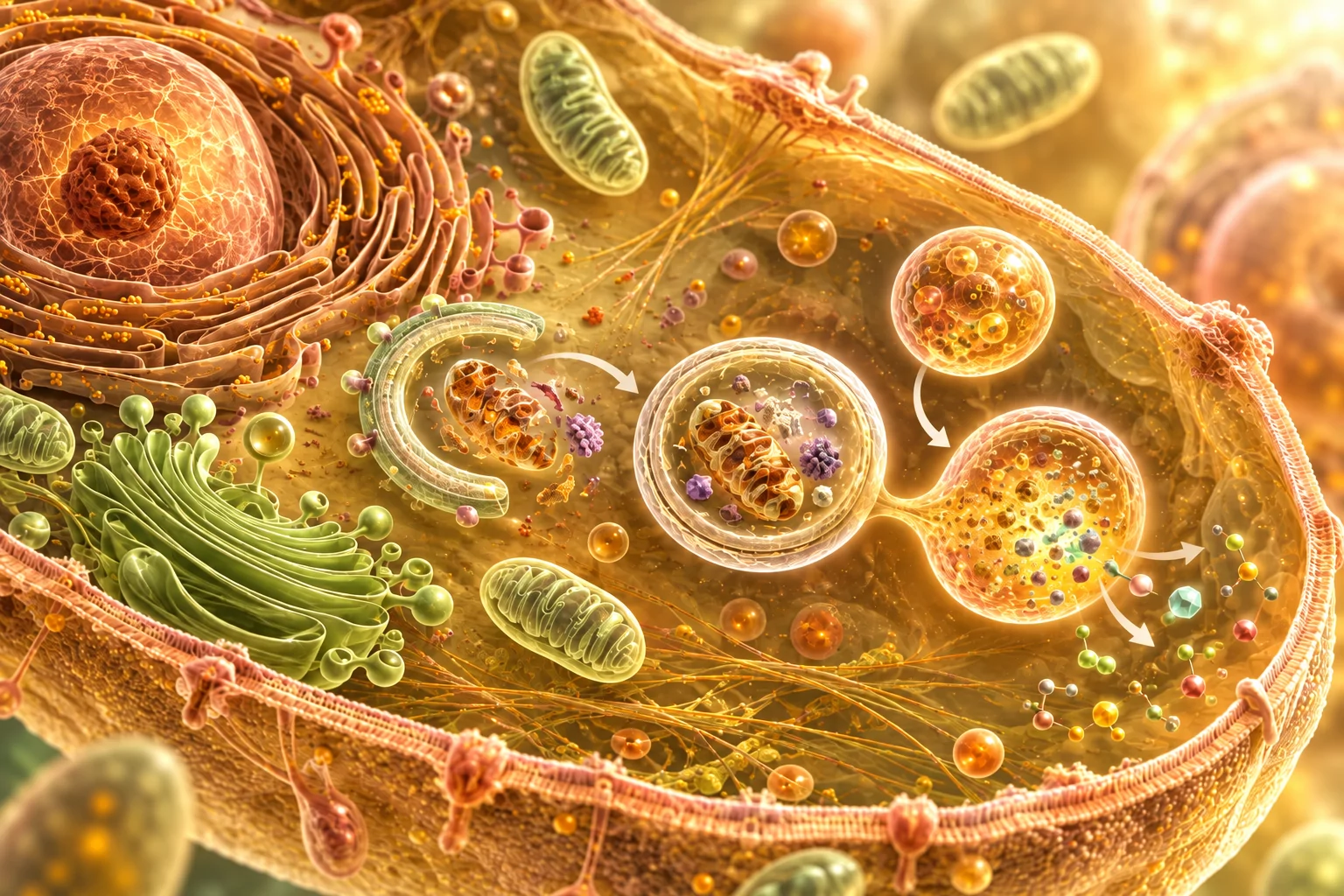
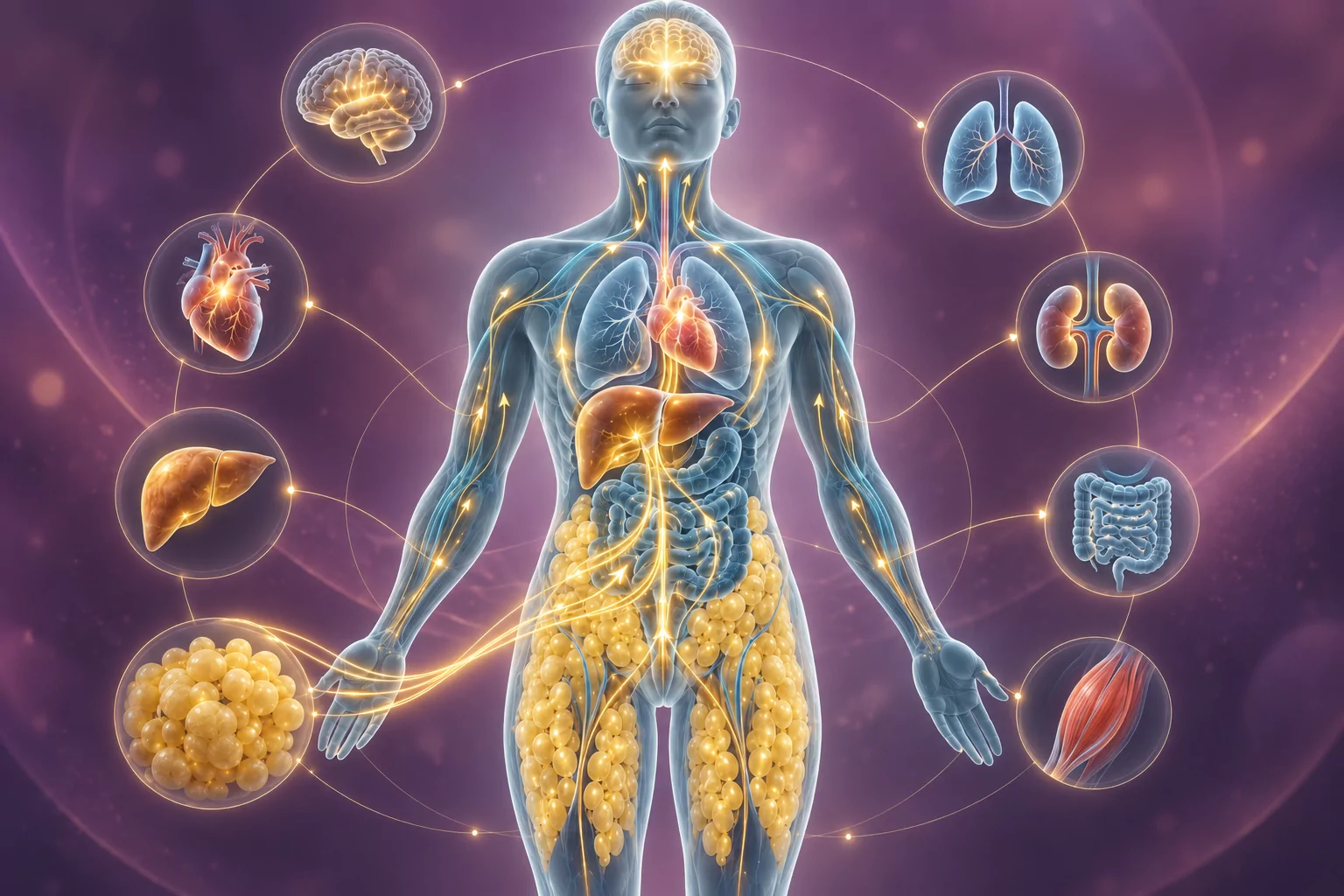
A membrane begins to form around cellular material destined for degradation, gradually creating a double-membrane structure known as an autophagosome. Once formed, the autophagosome fuses with a lysosome, whose enzymes break down the enclosed contents.
The resulting components — including amino acids, fatty acids, sugars and other molecules — can then return to the cellular pool and be reused.
Seen in this way, autophagy is a process of recovery as much as degradation: material that has become inefficient, damaged or expendable can be converted into raw material for further cellular activity.
Why Fasting Matters
Autophagy occurs continuously, although nutrient availability strongly influences its intensity and regulation.
When nutrients and growth signals are abundant, cells tend to favour synthesis, growth and storage. As nutrient availability decreases, the balance changes: insulin and amino-acid signalling fall, mTOR activity decreases, and energy-sensing systems such as AMPK assume greater importance.
These changes create a cellular environment in which recycling and maintenance processes may become more prominent.
This is one of the principal reasons fasting has attracted so much interest in autophagy research. Calorie restriction and fasting have repeatedly been associated with increased autophagic activity in experimental models, while the extent, timing and tissue-specific response in living humans remain more difficult to measure directly.
Autophagy Is a Family of Processes
Autophagy is often presented as though the cell simply gathers random material and digests it. The reality is considerably more sophisticated.
One form, commonly called bulk autophagy, can capture portions of cytoplasmic material relatively broadly, especially during nutrient deprivation. Alongside it exists a range of selective autophagy mechanisms in which specific structures are recognised and targeted for removal.
These include:
- mitophagy, directed towards mitochondria;
- aggrephagy, involving aggregated proteins;
- ER-phagy, targeting portions of the endoplasmic reticulum;
- ribophagy, involving ribosomes;
- pexophagy, targeting peroxisomes;
- xenophagy, which can participate in the removal of invading microorganisms.
The existence of these mechanisms shows that cellular recycling can operate with a high degree of discrimination.
Mitophagy: Quality Control of the Cell’s Powerhouses
 Mitochondria deserve particular attention because they play a central role in energy production.
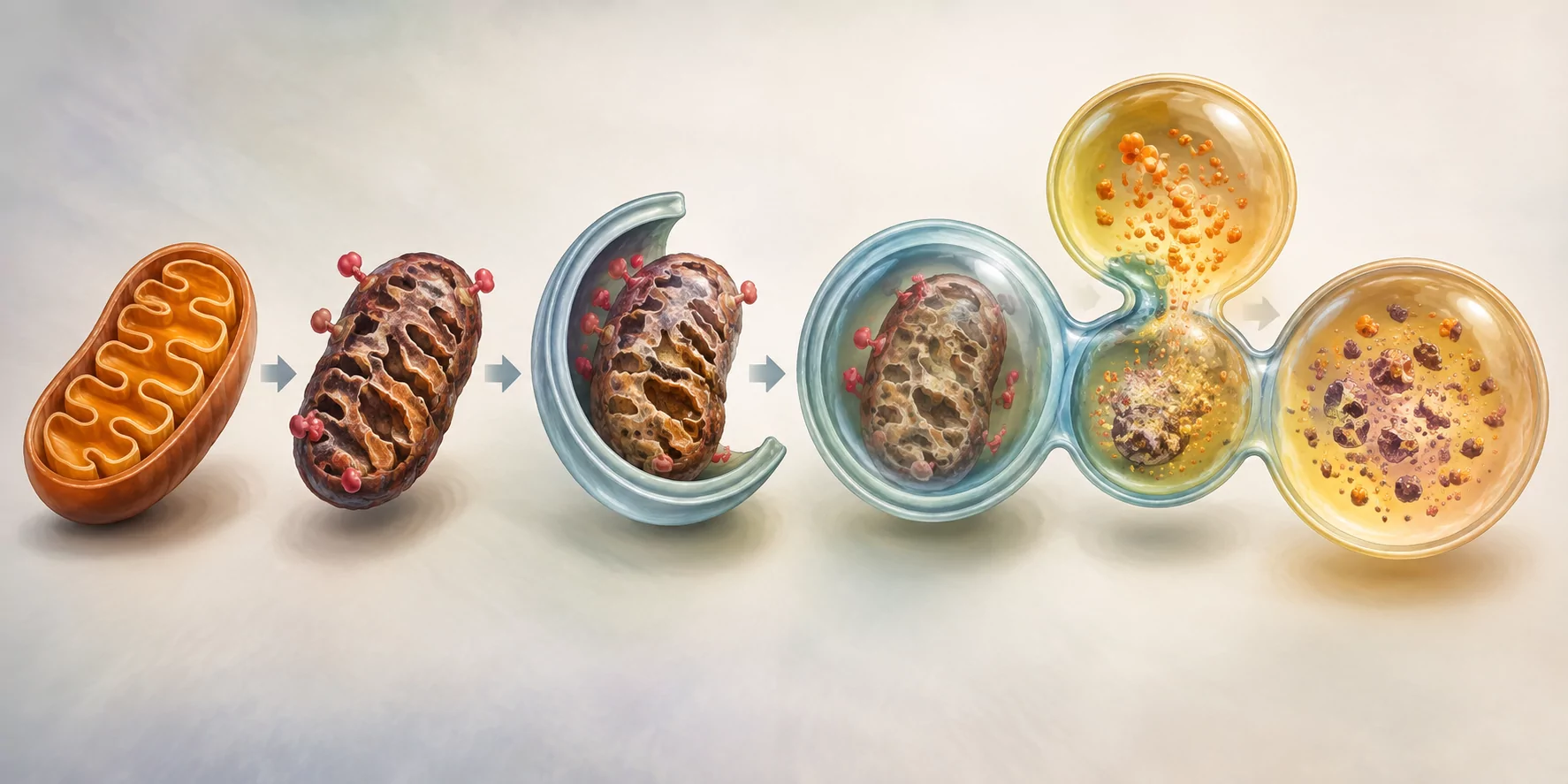
When a mitochondrion becomes damaged or inefficient, it can produce excessive reactive oxygen species and interfere with normal cellular function. Cells therefore possess mechanisms that allow dysfunctional mitochondria to be identified and removed selectively.
One of the best-studied pathways involves PINK1 and Parkin. When mitochondrial function is impaired, molecular signals can mark the affected organelle for removal, after which it is enclosed and delivered to the lysosomal system for degradation.
This process represents a form of cellular quality control in which structures that are no longer functioning adequately can be removed while healthier ones remain available.
Fasting, Repair and Cellular Priority
The relevance of autophagy becomes particularly clear during fasting, when the cell has less external material available and becomes increasingly dependent upon its internal resources.
Under these conditions, damaged or expendable components represent both a burden and a potential source of reusable material. Autophagy can therefore contribute simultaneously to maintenance, adaptation and recycling, helping the cell to preserve efficiency while recovering useful components.
This provides one modern cellular mechanism that resembles part of what older Natural Hygiene literature described more broadly as autolysis.
The two concepts should remain distinct. Hygienic autolysis referred to the internal economy of the organism as a whole, while autophagy describes specific regulated processes occurring inside living cells. Their conceptual relationship lies in the common theme of using what is already within the organism to support survival, maintenance and renewal.
Cellular “Cleaning”: A Useful Metaphor With Limits
The expression “cellular cleaning” is attractive because it immediately conveys the idea of removing damaged or unnecessary material, yet it can also oversimplify what is happening.
Autophagy participates in cellular quality control and can eliminate dysfunctional organelles, protein aggregates and other components. Its activity varies according to tissue, nutrient availability, age, stress and disease state, and its biological value depends upon regulation and context.
The useful concept is therefore one of appropriate recycling and maintenance, rather than the idea that maximum autophagy is always desirable or that fasting automatically performs a uniform “deep clean” throughout the entire organism.
When Does Autophagy Increase During a Fast?
This is one of the most common questions surrounding fasting, and also one of the areas where online explanations become unnecessarily rigid.
Autophagy is already active before fasting begins. Fasting changes the regulatory environment in which the process takes place: nutrient signalling falls, cellular energy sensing changes and pathways associated with recycling become more favourable.
The precise timing, however, varies between tissues and individuals, while direct measurement of autophagic flux in living humans remains technically difficult.
For that reason, statements claiming that autophagy “starts” at one specific hour or reaches a universal maximum after a predetermined number of fasting hours go beyond what can currently be established with precision.
The process is real; its timing is dynamic.
A Selective Intelligence
Autophagy reinforces a principle that already appears throughout fasting physiology: biological systems are capable of discrimination.
Cells can preserve some structures, repair others and selectively dismantle components that have become damaged or inefficient. Certain mitochondria may be specifically tagged for removal, while others remain untouched; protein aggregates can be recognised as targets; particular cellular structures can be recycled according to need.
This is one of the reasons the older idea of an internal intelligence remains evocative.
Modern biology describes the phenomenon through receptors, molecular recognition, signalling pathways and quality-control systems. The language is more precise, while the underlying observation remains remarkable: living systems continually distinguish between what should be preserved, what can be repaired and what may be dismantled and reused.
What We Know — and What We Are Still Learning
Autophagy is now a well-established biological process. Its role in cellular maintenance, adaptation to nutrient scarcity and selective quality control belongs firmly within modern cell biology.
What remains less clear is how far these intracellular mechanisms contribute to the broader tissue-level changes sometimes observed during prolonged fasting.
Questions remain open.
Can changes in cellular recycling contribute to the reduction of longstanding structural abnormalities? Under what conditions might this occur? Are some tissues more responsive than others? How strongly does fasting duration influence the process? And how much of what earlier practitioners described as “autolysis” can eventually be explained through autophagy and related mechanisms?
The existence of autophagy does not settle every historical claim made about fasting, although it provides a biological framework that makes some older observations considerably more interesting to investigate.
Personal Experience and Clinical Observation
My interest in autophagy is not purely theoretical. It is connected with changes that I have personally experienced during and after prolonged fasting, some of which were also documented or observed clinically.
These experiences involve different parts of the body and different kinds of change. Precisely for this reason, I find them particularly interesting in relation to the systemic nature of fasting: I could not choose where the process would act, nor could I direct it towards a particular tissue. I simply fasted, and the changes emerged where the organism appeared to have its own priorities.
Changes Visible on My Radiographs
Beginning in 2007, after a severe bilateral pleuropneumonia requiring a prolonged hospital stay, I underwent repeated chest radiographs over several years.
Because chest X-rays also include part of the vertebral column, the images repeatedly showed arthritic calcific changes along my spine.
From 2010 onwards, chest radiography also became part of my periodic maritime medical examinations required for navigation, giving me a further series of comparable images over time.
After I began undertaking prolonged fasts, something unexpected happened.
During one of these examinations, the doctor of the maritime health authority noticed that the calcifications previously visible along my spine had markedly diminished or were no longer apparent. I had not asked him to look for this change; he was the person who noticed it and pointed it out to me.
When he mentioned it, I explained that during the intervening period I had undertaken fasting.
I subsequently showed the radiographs to other doctors who had followed me previously, particularly in connection with the severe respiratory illness of 2007. They independently confirmed the same change and expressed considerable surprise, explaining that in their clinical experience spinal calcific changes were not expected to disappear spontaneously and would more commonly persist or become more evident with age.
The radiographs demonstrate that a change occurred. They cannot, by themselves, tell us which biological mechanism produced it.
That distinction is important.
The observation is documented; the mechanism remains open to investigation.
From Proposed Spinal Surgery to Full Mobility
A second experience concerns a longstanding problem at L5–S1, where I had been diagnosed with spondylolysis and spondylolisthesis.
The condition caused significant pain and functional difficulty. At Santa Corona Hospital in Pietra Ligure, Professor Valsania considered the problem serious enough to propose spinal surgery involving internal fixation with metal screws and plates.
I never underwent that operation.
After fasting, the pain disappeared, and the condition ceased to limit my everyday movement in the way it had before. Over the years that followed, I recovered a degree of physical freedom that would have seemed improbable when spinal surgery was being discussed.
Today I dance Argentine tango with great pleasure, carry out a wide variety of physical movements and activities, and am also able to move substantial weights without the spinal pain that had previously restricted me.
This functional recovery does not demonstrate that fasting anatomically reversed the spondylolysis or spondylolisthesis, nor does it identify autophagy as the process responsible.
What it does establish in my experience is a very clear before-and-after change: a spinal condition severe enough for fixation surgery to be proposed was followed, after fasting, by long-term disappearance of the symptoms that had made such intervention appear necessary.
A Third Change: The Aftermath of Pleurisy
A third experience takes me back to the severe respiratory illness of 2007.
Alongside bilateral pneumonia, I also developed pleurisy and remained in hospital for approximately twenty days.
Pleural inflammation can leave persistent structural changes after the acute illness has resolved. The inflammatory exudate is a complex biological fluid containing proteins and cells, and during healing it may be followed by fibrin deposition, adhesions, fibrosis and, in some cases, calcific changes.
In my case, the long-term consequence was very clear: any breath substantially deeper than normal produced considerable pain.
The simple mechanical act of expanding the lungs beyond ordinary quiet breathing was painful enough that I eventually required regular analgesic treatment.
After fasting, this pain disappeared.
It disappeared so completely, and remained absent for so long, that when I began reconstructing these experiences for this article I realised that I had almost forgotten how important that pain had once been in my daily life.
I no longer needed the regular pain relief that had previously been necessary, and deeper breathing ceased to produce the persistent pain associated with the aftermath of the pleurisy.
Without appropriate imaging immediately before and after the fast, I cannot say which pleural structures changed or whether adhesions, inflammation, fibrosis, tissue remodelling or several mechanisms together were involved.
What I can describe with certainty is the clinical sequence: a persistent post-pleuritic symptom present for years disappeared after fasting and did not remain part of my subsequent life.
Three Different Changes, One Metabolic Intervention
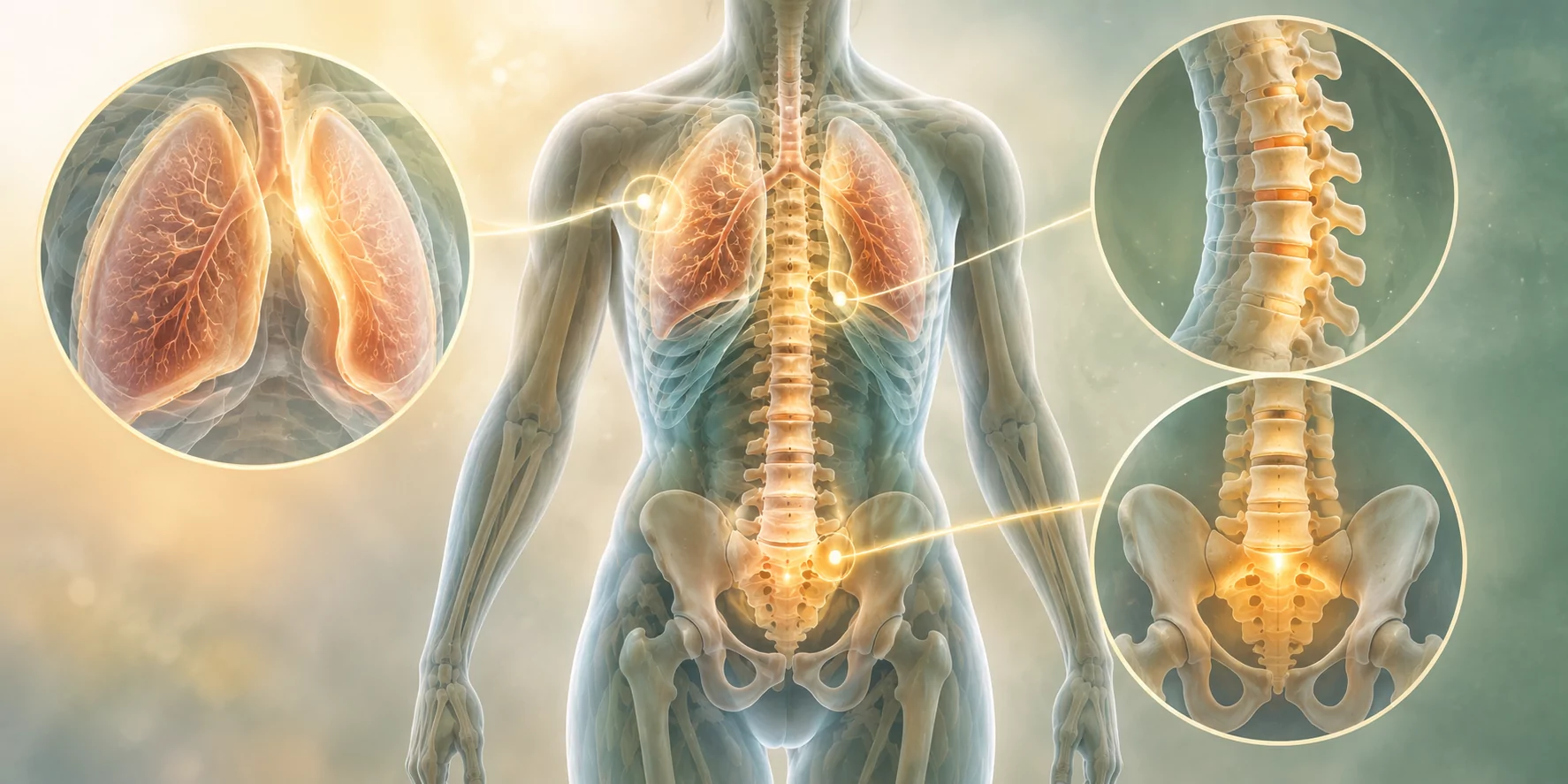 Considered together, these three experiences are particularly significant to me because they involved different structures and different manifestations:
- radiographically observed reduction or disappearance of spinal calcific changes;
- disappearance of disabling pain associated with L5–S1 spondylolysis and spondylolisthesis, despite spinal fixation surgery having previously been proposed;
- disappearance of longstanding pain associated with the aftermath of pleurisy.
I did not begin fasting with three separate instructions for my body.
I could not direct the process towards my spine, then towards the lumbar region, then towards the pleura.
The intervention was the same: I stopped supplying food from outside and allowed the organism to enter a profoundly different metabolic state.
The resulting changes appeared in different parts of the body and were neither selected nor consciously directed by me.
For this reason, the relationship between fasting, autolysis, autophagy and tissue remodelling remains deeply compelling to me. The metabolic change is systemic, while the processes occurring within individual tissues appear to follow priorities determined by the organism itself.
We may observe the consequences.
Understanding exactly how those priorities are established is the larger biological question.
Observation, Evidence and Mechanism
None of these experiences constitutes a controlled clinical trial, and I would not use them to claim that fasting will universally dissolve calcifications, resolve structural spinal disorders or eliminate the consequences of pleural inflammation.
At the same time, they cannot reasonably be reduced to vague subjective impressions.
In the first case, serial radiographs showed a change that several doctors independently recognised.
In the second, a disabling spinal condition for which surgery had been proposed was followed by years of pain-free, unrestricted movement.
In the third, a persistent symptom requiring regular analgesia disappeared and remained absent.
For me, these observations strongly suggest that fasting can be accompanied by processes of remodelling and recovery that deserve far more investigation than they currently receive.
Autophagy may explain part of what occurs. Changes in inflammatory signalling, tissue turnover, fluid balance, immune activity and other mechanisms may also contribute.
At present, the most rigorous position is to distinguish what was observed from the mechanism proposed to explain it.
The observations are real.
The biological explanation is still being explored.
Recycling, Adaptation and Renewal
Autophagy reveals a fundamental principle of living systems: survival and maintenance depend not only upon acquiring new material from outside, but also upon continually examining, dismantling and reusing what already exists within the cell.
During fasting, this internal economy becomes especially important. External nutrient availability decreases, cellular signalling changes and the organism must rely increasingly upon its own resources while continuing to preserve essential function.
Within that altered environment, some structures are retained, some are repaired and others may be dismantled so that their components can return to use.
The precision of these processes is remarkable.
At cellular level, damaged mitochondria can be selectively removed, protein aggregates can be recognised as targets and expendable material can be recycled while neighbouring structures remain intact. At the level of the whole organism, fasting likewise produces a hierarchy of resource use in which some reserves are readily mobilised while essential structures are defended for as long as possible.
How closely these two levels of selectivity are connected remains one of the most fascinating questions surrounding prolonged fasting.
The older Natural Hygiene concept of internal intelligence may use a different language from contemporary cell biology, yet both point towards the same striking characteristic of life: the organism constantly evaluates, adapts, preserves and renews itself according to changing conditions.
Fasting does not create this capacity. It profoundly changes the conditions under which it operates.
And perhaps this is one of the most important reasons to study autophagy: it allows us to see, at cellular level, something that fasting makes visible at the level of the whole organism — life sustaining itself through continuous adaptation and renewal.
- Details
- Written by: Silvia
- Category: Fasting, Ketosis & Metabolism
- Read Time: 12 mins
- Hits: 65
The Selective Use of the Body’s Own Resources During Fasting
One of the most fascinating ideas in Natural Hygiene is autolysis.
When food is no longer supplied from outside, the body must obtain energy and raw materials from within itself.
But it does not appear to consume itself randomly.
It mobilises some resources readily, protects others more strongly, changes priorities as the fast progresses and continuously reorganises the way its own materials are used.
Herbert M. Shelton described autolysis as the enzymatic process through which the body breaks down its own tissues and converts them into material that can be used by tissues of greater immediate importance. Within his broader understanding of fasting, this selective internal use of stored material was one of the mechanisms that made prolonged fasting possible.
Modern biology uses the word autolysis differently.
That difference is important.
What Hygienists Meant by Autolysis
In contemporary biological terminology, autolysis generally refers to the breakdown of cells or tissues by their own enzymes, particularly after severe cellular damage or death. The formal biomedical definition is essentially “self-digestion” by endogenous enzymes.
That is much narrower than Shelton's use of the word.
For the early Hygienists, autolysis was almost an umbrella concept for the body's ability to live upon itself during fasting.
It included the mobilisation of stored fat, the use and recycling of proteins, the absorption of stored material, changes in tissues and what they interpreted as the removal of unnecessary accumulations.
Today we would separate these observations into several processes:
- lipolysis and fatty-acid oxidation;
- protein turnover and proteolysis;
- gluconeogenesis;
- tissue remodelling and resorption;
- cellular recycling;
- autophagy and selective autophagy.
So when we read Hygienist literature, translating autolysis simply as the modern biological phenomenon of autolysis can be misleading.
They were describing something much broader: the internal economy of a fasting organism.
The Body Does Not Consume Itself at Random
This central observation has aged remarkably well.
Modern fasting physiology shows that the body follows a coordinated hierarchy of fuel use.
As incoming nutrients disappear, liver glycogen declines, adipose tissue increasingly releases fatty acids, ketone production rises and the organism reduces its dependence on glucose.
During prolonged food deprivation, adipose triglycerides become the major large-scale energy reserve for most tissues. At the same time, adaptations occur that help reduce the rate of protein breakdown and preserve functionally important lean tissue.
This does not mean that healthy protein is never used during fasting, it is: amino acids continue to participate in metabolism and gluconeogenesis, particularly during the earlier phases.
But the organism does not consume fat, muscle, liver, brain and other tissues at identical rates.
There is hierarchy.
There is regulation.
There are priorities.
The fasting body does not consume itself at random. It follows priorities.
This is perhaps the point at which nineteenth- and twentieth-century Hygienist observation and contemporary physiology come closest together.
Selectivity Is Built Into Biology
The idea of selectivity becomes even more interesting when we look inside the cell.
Autophagy — which we will examine separately — was once regarded largely as a bulk recycling process: when nutrients were scarce, cells would simply digest portions of their own contents.
We now know that this is only part of the story.
Cells also possess highly selective forms of autophagy.
Damaged mitochondria can be specifically recognised and removed through mitophagy. Other specialised mechanisms selectively target peroxisomes, portions of the endoplasmic reticulum, ribosomes, protein aggregates and other cellular structures. Molecular signals can effectively mark particular components for recycling.
This does not prove the full Hygienist proposition that prolonged fasting necessarily identifies every pathological structure in the body and consumes it before healthy tissue, but it demonstrates something important: biological recycling is capable of discrimination.
The organism is not simply dissolving itself indiscriminately.
Does the Body Prefer What It Needs Least?
Natural Hygiene takes the idea further.
Shelton proposed that when the organism must nourish itself internally, material of lower immediate value is utilised preferentially, while structures essential to life are conserved for as long as possible.
From this perspective, excess fat, abnormal accumulations and less useful tissue become potential resources.
The claim becomes particularly interesting when people report changes during or after fasting that seem difficult to explain solely through weight loss: reductions in some swellings, changes in inflammatory tissue, greater joint mobility, alterations in longstanding deposits or other structural changes.
These observations exist. What remains much harder to establish is a universal hierarchy such as: pathological tissue first → healthy tissue afterwards.
Modern research has not demonstrated such a simple sequence across all tissues and diseases.
Yet the opposite picture — a body consuming every tissue indiscriminately — is also incorrect.
Fasting metabolism is selective at multiple levels.
The open question is how far that selectivity extends.
Can the same biological logic that prioritises adipose reserves over vital protein and damaged mitochondria over functional mitochondria also contribute to selective remodelling at the level of whole tissues?
That question remains worth asking.
Selective Does Not Mean Controllable
There is another aspect of fasting that distinguishes it profoundly from most conventional interventions: we cannot tell it where to act.
We cannot instruct the fasting organism:
remove this deposit first;
use this particular area of fat next;
reduce this cyst;
leave that tissue alone.
There is no external operator directing the process.
The organism responds according to its own metabolic priorities.
This is one reason fasting can feel so different from targeted treatment.
A pharmaceutical agent may be designed to bind to a particular receptor or alter a specific biochemical pathway.
Fasting changes the environment in which all those pathways operate.
Insulin changes.
Glucagon changes.
Nutrient signalling changes.
Fat mobilisation changes.
Ketones rise.
Cellular energy sensing changes.
Tissue turnover changes.
The intervention is global.
The responses are local.
Fasting is systemic, but its effects are not uniform.
Different organs and tissues respond according to their own structure, reserves, metabolic demands and regulatory mechanisms.
A Whole-Body Intervention
This is why fasting is sometimes described, particularly within Natural Hygiene, as something resembling a medicine that acts upon the whole organism.
The comparison needs some care.
Fasting is not a medicine in the pharmacological sense. Nothing is being administered and there is no single molecular target.
In fact, Shelton insisted that fasting itself did not “cure” disease; in his interpretation, withholding food altered the conditions under which the organism could carry out its own processes of repair and adaptation.
Yet the comparison remains useful in another sense.
Fasting cannot easily be confined to one organ.
A person does not undertake a “liver-only fast” or a “joint-only fast”.
The entire metabolic environment changes.
If a person begins fasting because of one particular concern, the body may nevertheless undergo changes elsewhere that were neither requested nor expected.
From the NHF perspective, this is one of the most interesting characteristics of fasting: its action is systemic, while the organism determines the priorities.
Internal Intelligence
Words such as intelligence make conventional physiology uncomfortable because they can sound as though we are attributing consciousness to individual cells.
That is not what is meant here.
Consider what the organism actually does during food deprivation:
- It senses falling nutrient availability.
- It adjusts hormone signalling.
- It mobilises stored energy.
- It shifts fuel towards fat.
- It manufactures the glucose still required.
- It produces ketones for organs able to use them.
- It modifies protein turnover.
- It reduces energy expenditure.
- It alters cellular recycling.
- It distinguishes, at cellular level, between components that should be retained and others that can be removed.
None of this requires conscious thought.
But it is difficult to look at the coordination of these processes without recognising an extraordinary capacity for self-regulation.
Calling that metabolic regulation, homeostasis or internal intelligence partly reflects the language in which we choose to describe the same phenomenon.
The body is continually answering one question: given what is available now, what must be preserved and what can be used?
The Difference Between Stored Energy and Living Structure
The immense importance of adipose tissue during fasting illustrates this hierarchy particularly well.
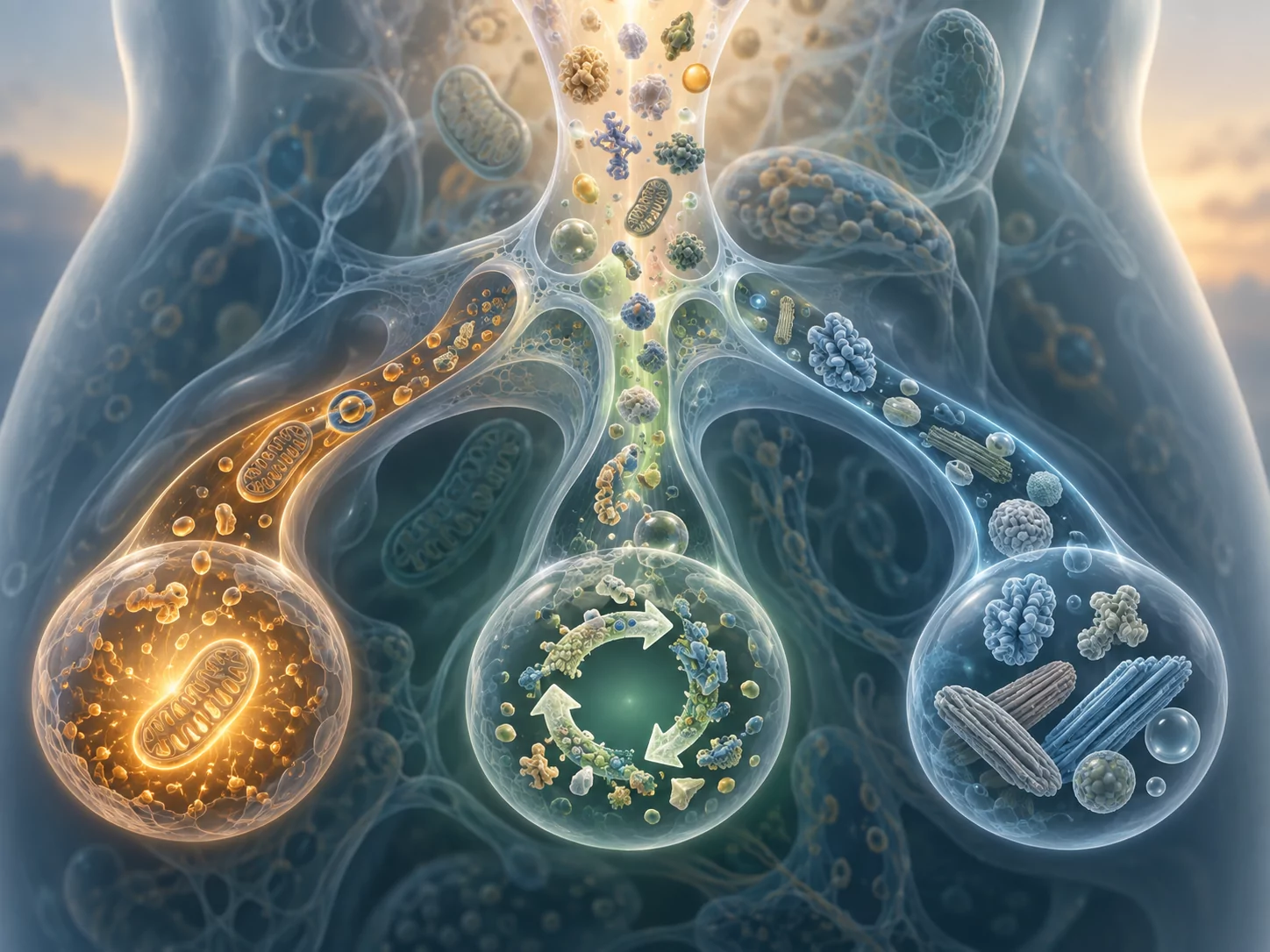 Fat is not simply an aesthetic inconvenience. It is stored energy.
Triglycerides are extraordinarily efficient energy reserves, containing far more usable energy per unit mass than hydrated glycogen. During fasting, adipose tissue releases fatty acids that can fuel much of the organism, while the liver converts part of that supply into ketone bodies.
Functional proteins, by contrast, perform work.
They form enzymes, transport systems, muscles and structural components.
Some protein is inevitably used during fasting, but preserving functional tissue as far as possible improves survival.
This basic distinction alone demonstrates why the organism cannot simply be imagined as a furnace burning whatever lies nearest.
Different materials have different biological value.
What About Deposits, Cysts and Other Altered Tissues?
This is where the subject becomes more difficult — and more interesting.
Hygienist literature contains numerous accounts of abnormal growths, swellings, deposits or altered tissues changing during prolonged fasting.
Modern medicine generally demands controlled imaging, histology or other objective measurements before attributing such changes to fasting.
That standard is reasonable when we want to establish causation.
But it should not lead us to pretend that observations made outside controlled trials do not exist.
Repeated observation is not the same as proof.
It is also not nothing.
It is where many investigations begin.
The appropriate position, in our view, is therefore neither:
“fasting certainly dissolves every abnormal tissue”
nor:
“if the mechanism has not yet been completely demonstrated, the observation is meaningless.”
Instead:
observe carefully, document whenever possible, distinguish the observation from the proposed mechanism, and keep the question open.
This is particularly important because modern cell biology has already demonstrated degrees of selectivity that earlier models of “bulk degradation” did not anticipate.
Autolysis and Autophagy Are Related Ideas — Not Synonyms
This brings us to a distinction that deserves its own article.
The terms sound remarkably similar:
autolysis — self-dissolution
autophagy — self-eating.
They also overlap conceptually.
But scientifically they are not synonyms.
Modern autolysis is primarily the enzymatic self-destruction of damaged or dead cells and tissues.
Autophagy, by contrast, is an actively regulated process occurring in living cells. Cellular material is enclosed, transported to lysosomes and broken down so that useful components can be recycled.
It can also be selective — removing damaged mitochondria, malformed proteins or other particular structures while leaving others intact.
In this sense, autophagy appears to explain part of what the old Hygienist concept of autolysis was attempting to describe.
Part — not all.
The Hygienist concept operated at the level of the whole organism.
Autophagy operates at the level of cellular housekeeping and recycling.
The connection between them deserves to be explored carefully.
And that is where we will go next.
The Body Decides
Perhaps the simplest way to understand Hygienic autolysis is this:
when food stops arriving from outside, the organism must reorganise what already exists inside.
It does so selectively.
It uses stored energy.
It reallocates resources.
It breaks some structures down while maintaining others.
It changes the balance between preservation and recycling.
And we cannot consciously choose the order in which all of those processes occur.
We can decide to fast.
We cannot decide where the fast will act first.
The organism decides.
Whether every element of the old Hygienist interpretation will eventually find a precise biochemical explanation remains an open question.
But the underlying observation is increasingly difficult to dismiss:
the fasting body is not passive, and it is not random. It is organised, adaptive and selective.

- Details
- Written by: Silvia
- Category: Fasting, Ketosis & Metabolism
- Read Time: 12 mins
- Hits: 25
When the Body Tells Us That the Fast Is Over
To stop eating and to starve may sound like the same thing.
Within the Natural Hygiene tradition, however, they describe two profoundly different physiological conditions.
Herbert M. Shelton defined the distinction very clearly: fasting begins when food is withdrawn and ends with the return of natural hunger; starvation begins when natural hunger has returned and food is still withheld.
Modern medical terminology does not always use the words fasting and starvation in this precise sense. Yet the distinction is extremely important for understanding the experience of prolonged fasting.
A body living from its reserves is not in the same condition as a body whose usable reserves have become insufficient to protect essential tissues.
When Hunger Disappears
One of the greatest fears people have before fasting is simple:
“I will be hungry.”
And one of the greatest surprises is discovering that hunger disappears.
In the fasting tradition described here, once the initial phase has passed and fasting metabolism becomes established, physical hunger ceases.
I have experienced this repeatedly myself and I have observed it in every person I have personally accompanied through a prolonged fast.
The first hours or days can include appetite, habitual hunger, thoughts about food and the expectation of eating at familiar times.
Then something changes.
As glycogen reserves decline, fat mobilisation increases and ketosis becomes established, the physical request for food disappears.
The person is still not eating.
Yet the body is no longer asking to be fed from outside.
This phenomenon is sufficiently characteristic that Shelton regarded the absence of natural hunger as one of the defining features of the fast itself.
The experience is difficult to understand fully until it has been lived.
There is a substantial difference between craving, wanting food, thinking about food or eating out of habit, and the unmistakable physical sensation of true hunger.
Once someone has experienced both, the difference can be striking.
A Body Living From Within
During this period, the body is not without fuel.
Its fuel is coming from within.
Stored fat is mobilised. Fatty acids supply energy. The liver produces ketone bodies. Glucose continues to be manufactured internally wherever it remains necessary.
The organism also changes how it uses its own tissues.
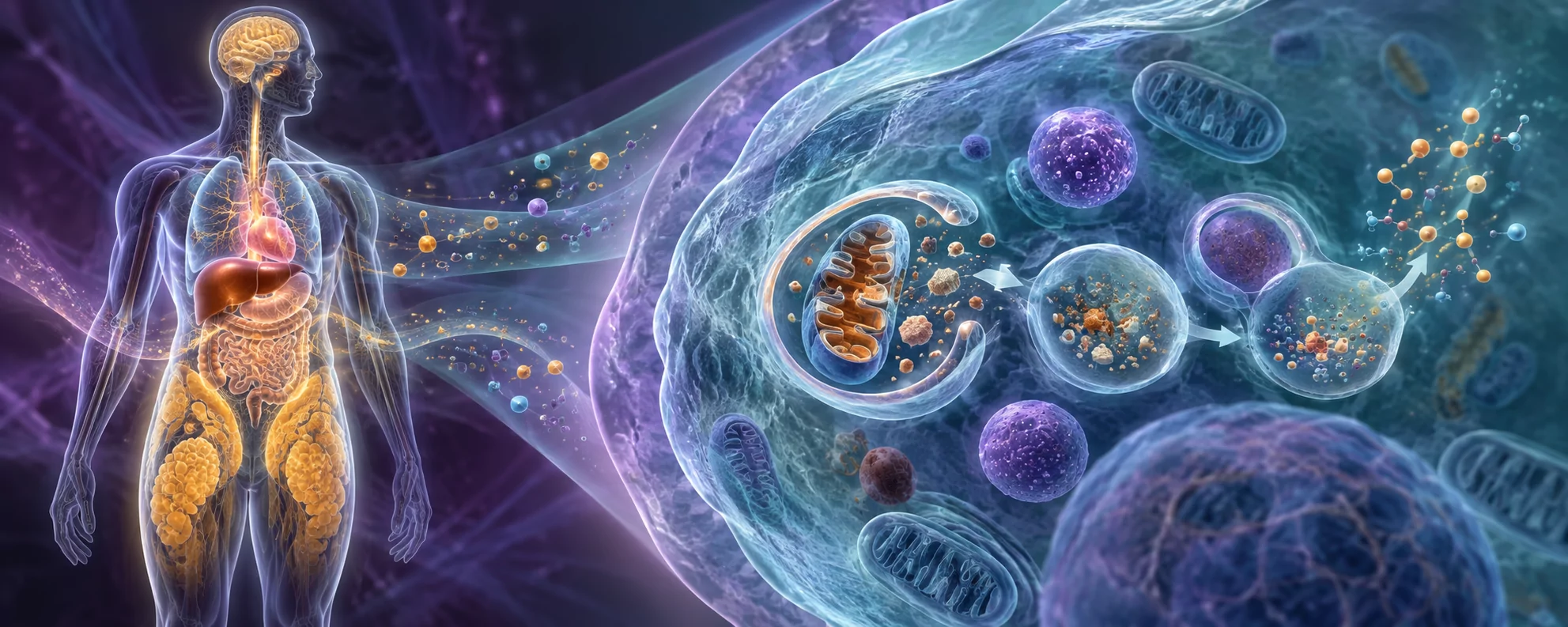
Modern physiology confirms that fasting is a regulated metabolic adaptation rather than indiscriminate self-destruction: fat becomes the predominant energy reserve, while several mechanisms reduce the rate at which essential protein must be consumed.
Natural Hygiene went further.
Shelton described the fasting organism as preferentially using stored reserves, surplus material and less essential tissue while preserving vital structures for as long as adequate reserves remained.
Whether every part of that interpretation can eventually be translated into modern biochemical mechanisms is a question we will return to in the articles on autophagy and tissue recycling.
For now, the important observation is simpler:
the fasting organism behaves selectively.
It has priorities.
What Happens During the Fast
Longer fasts can produce very characteristic outward signs.
Body odour can become exceptionally strong.
Breath changes noticeably during ketosis, partly because volatile compounds such as acetone are eliminated through the lungs. This rise in breath acetone during fasting has been directly measured.
Sweat may also acquire an unusually intense and unpleasant smell.
The tongue commonly develops a thick whitish coating.
Bowel movements can continue even though no new food is entering the digestive tract. This is less mysterious than it may seem: faecal matter contains not only food residue but also bacteria, mucus, shed intestinal cells, bile products and material that was already present in the bowel before the fast began.
In the fasting practice I have followed, enemas may also assist the evacuation of intestinal material; because that subject deserves proper consideration of its own, we will discuss it separately.
These manifestations are traditionally described in Natural Hygiene as part of the organism's increased work of elimination. Shelton himself wrote extensively about what he called the body's “organic house cleaning” during fasting.
Modern physiology uses different language and does not reduce these phenomena simply to the excretion of undefined “toxins”.
The observations themselves, however, should not be confused with the interpretation placed upon them.
The Tongue Can Change Very Quickly
There is another phenomenon that I have repeatedly observed and that deserves to be recorded precisely as an observation.
 During the fast, the tongue may remain heavily coated for days.
Then, towards the end of the fast, the change can occur surprisingly quickly.
In my own fasts, and in those I have personally followed, I have seen a heavily coated tongue become substantially clean and pink again within approximately twelve hours.
It has not appeared to me as a slow, gradual fading over several days.
It has been much more like a transition.
I am not presenting twelve hours as an established physiological measurement. It is an observation repeated sufficiently often in my experience to deserve attention.
And importantly, the tongue is not the deciding signal.
Natural hunger is.
If genuine physical hunger returns while the tongue is still coated, hunger takes precedence.
The fast is over.
The Return of True Hunger
This is the point around which Shelton's distinction between fasting and starvation revolves.
Natural hunger returns.
Not boredom.
Not appetite stimulated by the smell of cooking.
Not the wish to chew something.
Not anxiety about food.
Physical hunger.
Shelton regarded its return as the body's announcement that the physiological fast had reached its natural end. His definition was categorical: fasting ends with the return of natural hunger; continuing food deprivation afterwards belongs to starvation.
This corresponds closely to what I have experienced personally.
For me, the body seems to remain remarkably quiet while it can comfortably live upon its internal resources.
Then the message changes.
Feed me.
That signal deserves respect.
I would therefore express the Natural Hygiene principle very simply:
When true hunger returns, hunger commands.
The appearance of the tongue is secondary.
The theoretical duration of the planned fast is secondary.
The number of days already completed is secondary.
The body has spoken.
There is, however, an important distinction between describing this criterion and turning it into a self-treatment protocol. Scientific studies show that subjective hunger responses during food deprivation vary, and prolonged fasting can also produce clinically important disturbances that subjective appetite alone cannot detect. For that reason, the return of hunger should not be presented as the sole medical safety measure for an unsupervised prolonged fast.
From Fasting to Starvation
This is where the distinction becomes physiologically important.
During fasting, the body can obtain much of its energy from stored fat while adapting its metabolism to conserve essential structures.
But the reserves are finite.
Eventually, if food continues to be withheld, the body reaches a stage at which maintaining life requires increasingly destructive use of functional tissue.
Protein breakdown accelerates.
Muscle and eventually vital structures become increasingly vulnerable.
At that point the adaptive strategy of fasting has crossed into depletion.
That is what the Hygienist terminology calls starvation.
It is not simply “more fasting”.
It is a different physiological situation.
An Internal Intelligence
The experience gives the powerful impression that the organism possesses what we might call an internal intelligence.
I use the expression deliberately.
It does not imply that cells make conscious decisions.
It describes the extraordinary coordination through which the organism continually decides — biochemically — what to mobilise, what to conserve, what to recycle and what it can afford to lose.
During fasting, some resources are released readily.
Others are defended.
Some metabolic processes diminish while others intensify.
Fuel use changes.
Hormonal signals change.
Cellular recycling changes.
From the Natural Hygiene perspective, this intelligence appears to go further still: the organism seems to make use first of what is surplus, unnecessary, altered or less useful before sacrificing structures essential to life.
Modern physiology does not yet establish that broad proposition as a universal rule.
But neither is the fasting body merely burning itself indiscriminately.
There is organisation.
There is hierarchy.
There is selection.
The old computer analogy that comes to my mind is ScanDisk and defragmentation.
Stop continuously adding new material.
Examine what is already there.
Reorganise it.
Recover what is useful.
Dispose of what is no longer useful.
It is only a metaphor.
But my own experience has given me good reason to take the underlying question seriously.
What Happened to My Spine
My interest in this question is also connected with something documented in my own medical history.
In 2007 I suffered a severe bilateral pleuropneumonia and spent a prolonged period in hospital.
From that time onwards I underwent numerous chest X-rays.
Because chest radiographs also include part of the vertebral column, the images repeatedly showed arthritic calcifications along my spine.
From 2010 onwards, chest radiography also formed part of my periodic maritime medical examinations required for navigation, giving me a further series of comparable images over time.
After my first prolonged fasts, something unexpected happened.
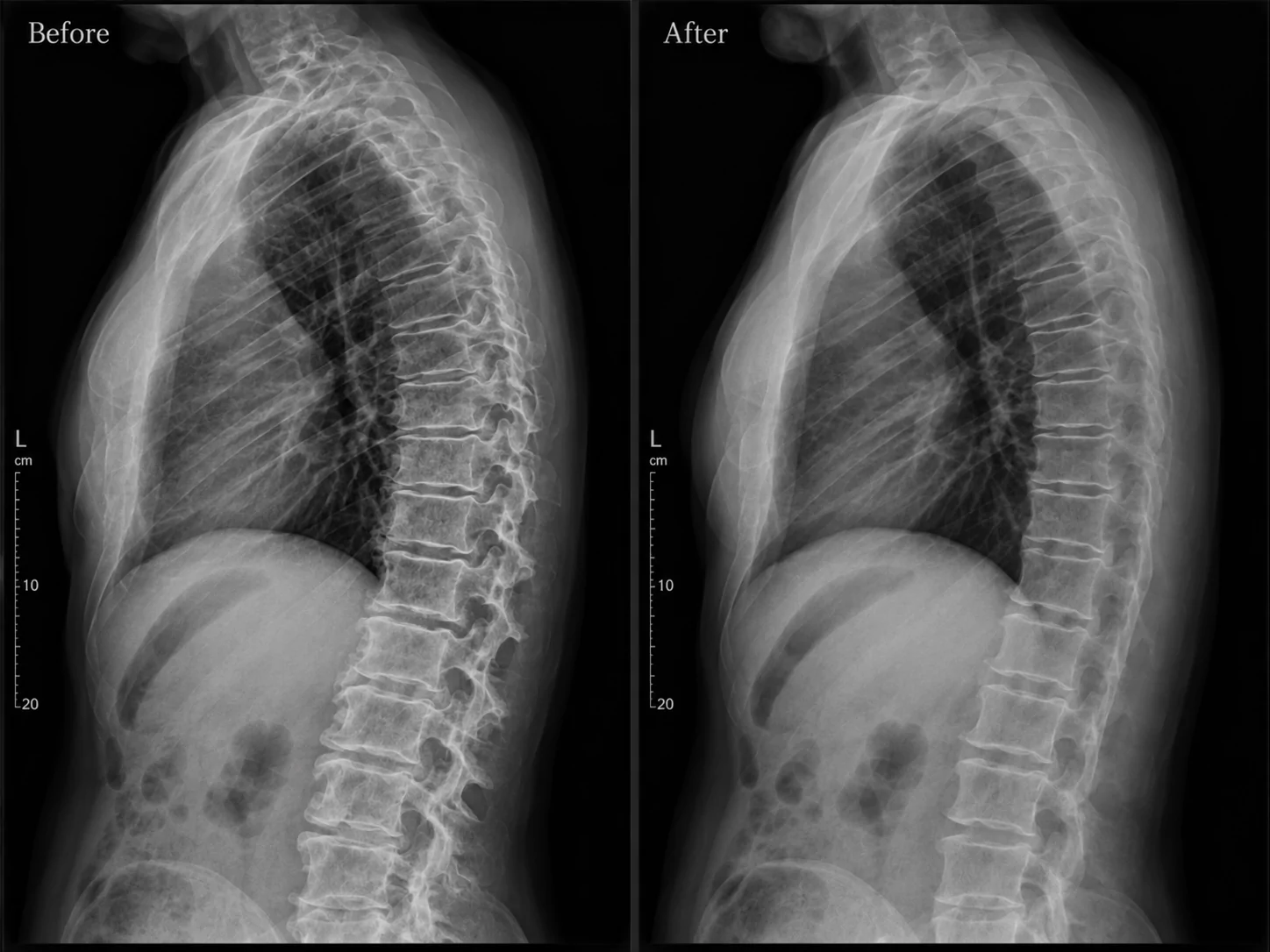 During one of those examinations, the doctor of the maritime health authority compared my radiographs and pointed out, with considerable surprise, that the calcifications previously visible along my spine had disappeared or markedly diminished.
I had not asked him to look for this.
He noticed it.
When he told me, I replied that during the intervening period I had undertaken fasting.
I subsequently showed the radiographs to other doctors who had previously followed me during and after the pneumonia.
They independently confirmed the same change.
Their reaction was also one of surprise.
They explained to me that in their clinical experience this was not the expected course: articular and spinal calcific changes generally do not disappear spontaneously and tend, if anything, to become more evident with ageing.
This remains an observation from my own medical history rather than a controlled clinical experiment.
It does not establish the mechanism responsible for the radiographic change.
But the change itself was not simply my subjective impression: several doctors examining serial radiographs observed and confirmed it.
That difference matters.
Mobility After Fasting
A less easily documented but remarkably recurrent observation has concerned mobility.
People I have accompanied through fasting have repeatedly described themselves afterwards as more mobile.
Joints seem freer.
Movements that had become stiff feel easier.
The body can give the impression of having recovered an elasticity gradually lost over time.
This observation does not tell us by itself what has happened to cartilage, connective tissue, inflammatory processes, tissue water, calcification or muscular tension.
Those are separate questions.
But when a subjective observation occurs repeatedly in different people, it deserves to become a question rather than being discarded because its mechanism is not yet known.
Knowing When to Stop
Fasting therefore contains an apparent paradox.
At the beginning, people fear hunger.
Then hunger disappears.
The body adapts and lives from within.
Later, if the fast is carried sufficiently far, natural hunger returns.
For the Natural Hygiene tradition, that sequence contains its own message:
absence of true hunger belongs to the fast; the return of true hunger calls for food.
That is also the pattern I have repeatedly observed.
And perhaps this is the most important distinction between fasting and starvation.
The purpose of fasting is never to see how long a human being can endure without food.
It is to allow a physiological process to take place without crossing the point at which that process begins to damage the organism it was meant to serve.
The body has limits.
Learning to fast also means learning to listen to them.
- Details
- Written by: Silvia
- Category: Fasting, Ketosis & Metabolism
- Read Time: 9 mins
- Hits: 36
What Happens in the Body When Food Stops Coming In
Fasting is not simply the absence of food.
When nutrients stop arriving from outside, the body begins a coordinated metabolic transition.
Hormonal signals change, stored energy is mobilised, different fuels progressively become more important and resources are redistributed according to new priorities.
This transition does not occur at exactly the same speed in everyone. The amount of glycogen stored before fasting, previous diet, physical activity, body composition, metabolic health and previous experience of fasting can all influence the timing.
The stages described below should therefore be understood as a continuum rather than a timetable.
This article refers primarily to fasting in which water remains available. Dry fasting introduces additional physiological mechanisms related to water and electrolyte balance and deserves separate consideration.
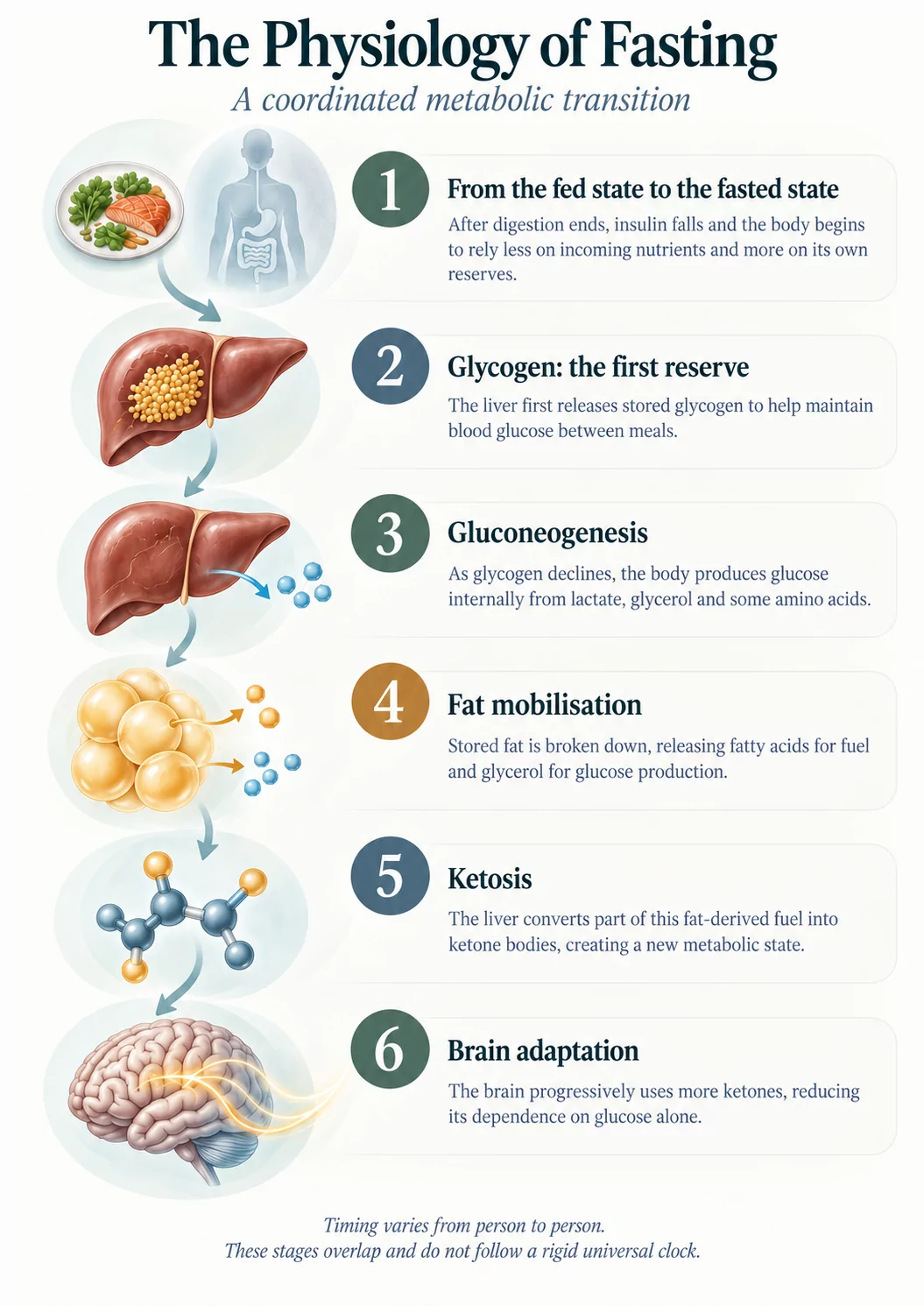
From the Fed State to the Fasted State
After a meal, nutrients absorbed from the intestine are readily available.
Blood glucose rises, insulin secretion increases and the body is temporarily in a predominantly anabolic state: energy is being used, stored and incorporated into tissues. Glucose can be stored as glycogen in the liver and muscles, while excess energy can also be stored as fat.
As digestion and absorption come to an end, this situation gradually reverses.
Insulin levels fall and the ratio between glucagon and insulin increases. The body begins to rely less on recently absorbed nutrients and more on its own stored resources.
This transition is sometimes described as the metabolic switch: the gradual movement from predominantly glucose-based metabolism towards increasing use of fatty acids and ketone bodies.
It is not an abrupt event. Fat mobilisation, glucose production and ketone production begin to change progressively and overlap for many hours.
 The First Reserve: Glycogen
The first readily accessible source of glucose is glycogen.
The liver stores glycogen partly to help maintain blood glucose between meals. Muscle also contains substantial glycogen, but muscle glycogen is mainly reserved for use by the muscle itself rather than being released directly into the bloodstream.
During the early fast, the liver breaks down its glycogen through glycogenolysis, releasing glucose into the circulation.
These stores are limited.
By approximately 24 hours of fasting, most hepatic glycogen has usually been mobilised, although the exact timing varies considerably with activity and previous nutrition. At the same time, fatty-acid oxidation is already increasing.
The body does not suddenly run out of energy when glycogen declines.
It changes where that energy comes from.
Making Glucose Without Eating
Some tissues continue to require glucose even when no carbohydrate is being eaten.
The body therefore manufactures it through gluconeogenesis.
The liver is initially the major organ involved, while the kidneys become increasingly important during longer fasting.
The raw materials include lactate, glycerol released from adipose tissue and carbon skeletons derived from certain amino acids.
Gluconeogenesis is already active after an ordinary overnight fast and becomes responsible for an increasing proportion of glucose production as liver glycogen falls. After approximately 48 hours, it can account for the great majority of endogenous glucose production.
This is one reason why blood glucose does not simply fall towards zero when food disappears.
The organism is capable of producing glucose internally.
Fat Takes Over
As insulin falls, stored triglycerides in adipose tissue are broken down.
This process, lipolysis, releases fatty acids and glycerol.
Many tissues can use fatty acids directly as fuel. The glycerol portion can travel to the liver and contribute to gluconeogenesis.
Fat therefore becomes progressively more important as fasting continues.
This transition is crucial because body fat represents a much larger reserve of energy than glycogen.
It also changes what happens in the liver.
As increasing amounts of fatty acids arrive there, they undergo beta-oxidation. Part of the resulting acetyl-CoA is converted into ketone bodies.
These are principally acetoacetate and beta-hydroxybutyrate, together with acetone as a by-product.
Ketone production begins early, becomes much more pronounced during the first few days and can eventually provide a major alternative source of energy.
Ketosis: A Different Metabolic State
The increase in ketone bodies during fasting produces what is known as physiological fasting ketosis.
This must be distinguished from diabetic ketoacidosis, a pathological condition usually involving profound insulin deficiency, uncontrolled ketone production, marked hyperglycaemia and dangerous acid-base disturbance.
In normal fasting physiology, some insulin remains present and ketone production is regulated.
Ketones are particularly important because fatty acids themselves cannot adequately replace glucose as a fuel for the brain. Ketone bodies, however, can cross the blood-brain barrier.
As fasting continues, the brain progressively increases its use of beta-hydroxybutyrate and acetoacetate.
It never becomes completely independent of glucose, but its requirement for glucose falls substantially.
This metabolic adaptation is one of the principal reasons humans can survive periods of food deprivation far longer than would be possible if the brain depended entirely upon glucose derived from glycogen and body protein. Classic human fasting studies were fundamental in establishing this role of ketone bodies.
Protein Sparing: A Change in Priorities
Protein is also used during fasting.
This point is important because fasting does not mean that the body consumes only fat while leaving protein completely untouched.
During the earlier stages, amino acids contribute significantly to gluconeogenesis. Protein breakdown therefore forms part of the adaptation.
As ketone concentrations rise and the brain begins using them more extensively, however, less glucose needs to be produced exclusively for the nervous system. Dependence on amino acids as substrates for gluconeogenesis can consequently decline.
Urinary nitrogen losses tend to fall during prolonged fasting.
This is often described as protein sparing.
The term should not be misunderstood: protein loss does not disappear, and negative nitrogen balance can continue. The precise extent to which protein conservation results from ketone adaptation, falling energy expenditure and other mechanisms remains physiologically complex and has been debated.
The essential point is that prolonged fasting is not equivalent to consuming muscle at a constant rate day after day.
The organism changes its strategy as fasting continues.
The Brain During Fasting
The brain provides perhaps the clearest example of metabolic adaptation.
Under ordinary fed conditions it depends heavily upon glucose.
During prolonged fasting, increasing concentrations of circulating ketones provide another usable fuel.
Studies of prolonged fasting in humans demonstrated that beta-hydroxybutyrate and acetoacetate can eventually supply a substantial proportion of cerebral energy requirements.
Some glucose remains necessary, particularly because certain cells and metabolic pathways cannot replace it completely.
But the reduction in cerebral glucose demand has an important consequence: fewer amino acids need to be converted into glucose simply to sustain the brain.
The nervous system is therefore not metabolically abandoned during fasting.
It adapts.
This is also why old descriptions claiming that nervous tissue is simply “untouched” during starvation are too crude. The meaningful observation behind them is that the organism develops mechanisms that help preserve essential functions while shifting energy increasingly towards fat-derived fuels.
Hormonal Adaptation
Fasting is also an endocrine event.
Insulin falls relatively quickly as nutrient availability decreases. The glucagon-to-insulin ratio rises, favouring glycogen breakdown, gluconeogenesis, lipolysis and ketogenesis.
Growth hormone secretion may increase during fasting, while prolonged fasting can modify thyroid signalling, particularly by reducing circulating active T3. Leptin also falls as energy availability decreases.
Catecholamines, cortisol, the renin-angiotensin-aldosterone system and several other hormonal systems respond in ways that depend on duration, individual physiology and the degree of energy deprivation.
These changes should not be viewed as isolated hormonal effects.
Together they help coordinate the transition from storage and growth towards mobilisation, conservation and adaptation.
Autophagy and Cellular Recycling
Another process frequently associated with fasting is autophagy.
Autophagy is a normal cellular recycling system through which cells degrade and reuse some of their own damaged, unnecessary or dysfunctional components.
It occurs even when we are eating.
Nutrient availability, however, strongly influences signalling pathways involved in autophagy. During fasting, falling insulin and amino-acid availability, reduced mTOR activity and changes in energy-sensing pathways can favour a cellular environment associated with increased recycling and maintenance processes.
This has generated enormous interest in fasting research.
It has also generated considerable exaggeration.
Statements such as “autophagy starts at exactly 18 hours” or “maximum autophagy occurs at 72 hours” cannot currently be applied universally to human beings.
Different tissues may respond differently, and directly measuring autophagic flux in living humans is considerably more difficult than measuring blood glucose or ketones.
The biological principle is well established.
The precise human timetable is not.
Water, Sodium and the First Loss of Weight
The rapid fall in body weight often observed during the beginning of a fast does not represent an equally rapid disappearance of body fat.
Part of it is water.
Glycogen is stored together with water, so glycogen depletion releases associated fluid.
Falling insulin also changes renal sodium handling. During the first phase of fasting, increased sodium excretion — natriuresis — can be accompanied by increased water loss.
Older human fasting studies already observed that the particularly rapid loss of body weight during the first week was largely related to negative sodium and water balance rather than fat loss alone.
With prolonged fasting, hormonal mechanisms involved in conserving sodium and maintaining circulation progressively adjust.
This movement of water and electrolytes is one of the reasons why changes on the scale cannot be interpreted simply as changes in body fat.
A Different Organisation of Metabolism
Seen as a whole, fasting is not a passive condition.
The organism does not simply wait for food to return.
It changes fuel.
It releases stored energy.
It manufactures the glucose that remains necessary.
It increases fat oxidation and ketone production.
The brain alters its choice of fuel.
Hormonal signalling changes.
Water and electrolyte handling changes.
Processes of cellular maintenance and recycling respond to altered nutrient availability.
And, as fasting becomes prolonged, the body continually adjusts how much of its different reserves it can afford to use.
Fasting is not an absence of metabolism. It is a different organisation of metabolism.
When food stops arriving from outside, the organism changes strategy.
